

Why Comprehensive Eye Exams Are Important For Long-Term Eye Health
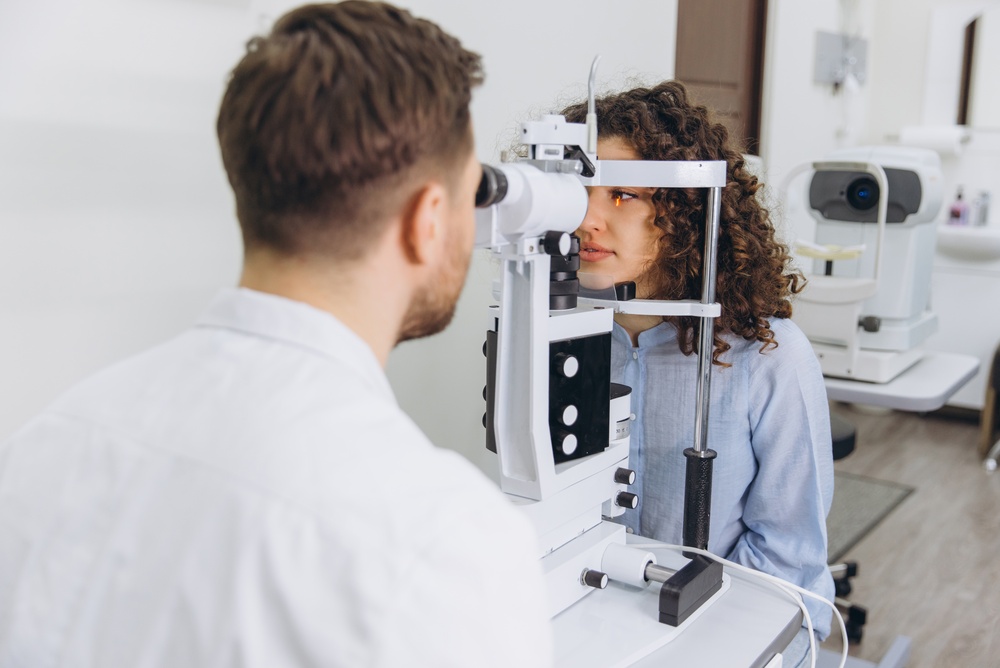
Clear vision is important, but a comprehensive eye exam does much more than update your glasses or contact lens prescription. Routine eye care plays an important role in protecting long-term eye health, detecting changes early, and helping you see comfortably at every stage of life. At Peoria Eye Professionals and Bloomington Eye Professionals, comprehensive eye exams are designed to evaluate both your vision and the overall health of your eyes.
What Makes A Comprehensive Eye Exam Different?
A basic vision screening may check how well you can read letters on a chart, but it does not provide a full picture of your eye health. A comprehensive eye exam looks deeper. Your eye doctor checks how your eyes focus, how they work together, and whether there are signs of eye disease or other health concerns. Many eye conditions develop slowly and may not cause symptoms right away. This is why routine exams are important, even if your vision seems normal.
Early Detection Helps Protect Your Sight
One of the biggest benefits of comprehensive eye exams is early detection. Conditions like glaucoma, cataracts, diabetic eye disease, and macular degeneration can affect vision over time. In many cases, early signs can be found during an exam before noticeable vision loss occurs.
Regular eye exams give your eye doctor the opportunity to monitor changes, recommend treatment when needed, and help reduce the risk of long-term complications.
Eye Exams Can Reveal More Than Vision Problems
Your eyes can show signs of health conditions that affect the rest of your body. During a comprehensive eye exam, your eye doctor may detect changes related to diabetes, high blood pressure, inflammation, or other systemic health concerns.
A complete eye health evaluation may include:
• Vision testing to check for nearsightedness, farsightedness, and astigmatism
• Eye pressure testing to help screen for glaucoma
• Retinal evaluation to assess the back of the eye
• Eye teaming and focusing checks
• Discussion of symptoms such as dryness, headaches, blurry vision, or eye strain
This full approach helps your doctor understand what is affecting your vision and comfort.
How Often Should You Schedule An Eye Exam?
The right exam schedule depends on your age, medical history, family history, and whether you wear glasses or contacts. Some patients need annual eye exams, while others may be advised to come in more often if they have diabetes, a history of eye disease, or ongoing vision concerns.
Children, adults, and seniors can all benefit from regular comprehensive eye exams. For children, clear vision supports learning and development. For adults, exams help maintain comfort at work and during daily activities. For older adults, routine care is especially important for monitoring age-related eye changes.
Supporting Long-Term Eye Health In Peoria And Bloomington
Healthy eyes need consistent care. A comprehensive eye exam helps your eye doctor identify small changes, answer your questions, and provide personalized recommendations for your vision needs. Whether you are experiencing blurry vision, eye strain, dryness, or simply need a routine checkup, ongoing eye care can help protect your sight for years to come.
Schedule your comprehensive eye exam with Peoria Eye Professionals in Peoria, IL, by calling (309) 839-1614, or Bloomington Eye Professionals in Bloomington, IL, by calling (309) 213-9200.


Locations
Services
Quick Links
© 2026 Central Illinois Family Eyecare. All rights Reserved. Accessibility Statement - Privacy Policy - Sitemap
Managed and Designed By
